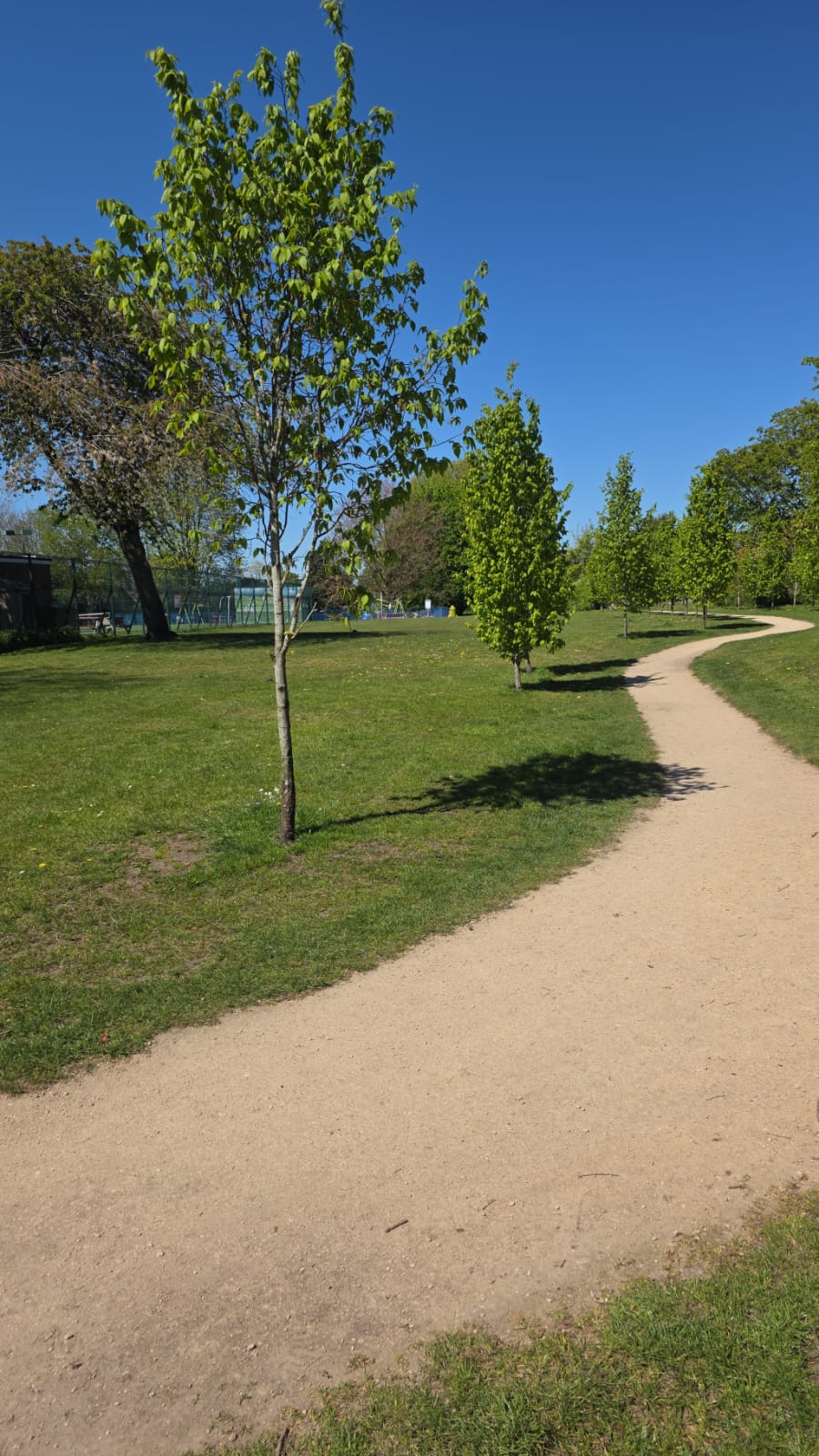
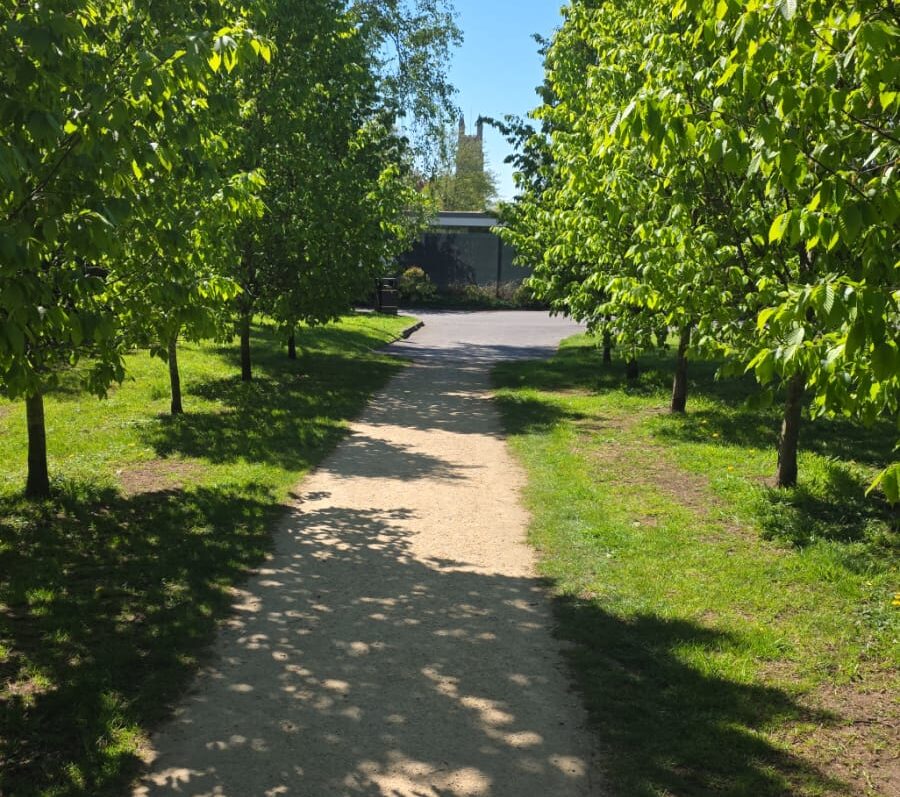
Mental Health Awareness Week is a vital time to shine a light on mental wellbeing, and this year, we’re focusing on a powerful and often overlooked resource: nature. For centuries, humans have found solace and rejuvenation in the natural world. In our increasingly digital and urban lives, re-establishing that connection can be more important than ever for our mental health.
Spending time in nature isn’t just a pleasant pastime; it offers tangible benefits for our minds. Research consistently shows that engaging with green spaces can reduce stress, improve mood, and even boost cognitive function. From a peaceful walk in a local park to a challenging hike in the mountains, the diverse experiences nature offers can cater to different needs and preferences.
How Nature Nurtures Our Minds
- Reduces Stress and Anxiety: The sounds of nature, the fresh air, and the visual beauty can calm our nervous systems. Studies have shown lower levels of the stress hormone cortisol after spending time outdoors.
- Boosts Mood and Happiness: Sunlight exposure can increase serotonin levels, a neurotransmitter linked to feelings of happiness and well-being. The simple act of observing birds, plants, or a flowing stream can evoke feelings of awe and contentment.
- Improves Focus and Concentration: Time in nature can provide a welcome break from cognitive overload, allowing our minds to rest and recharge. This can lead to improved attention and problem-solving skills upon returning to tasks.
- Encourages Physical Activity: Many nature-based activities naturally involve movement, which is a powerful antidepressant and stress reliever in itself.
- Fosters a Sense of Connection: Being part of something larger than ourselves, whether it’s a vast landscape or a small garden, can help reduce feelings of isolation and promote a sense of belonging.
Simple Ways to Connect with Nature This Week (and Beyond!)
You don’t need to embark on a grand adventure to reap the benefits of nature. Even small, consistent efforts can make a big difference. Here are a few ideas:
- Take a Mindful Walk: Pay attention to the sights, sounds, and smells around you. Notice the rustling leaves, the songs of birds, or the texture of tree bark.
- Bring Nature Indoors: Add houseplants to your living or workspace. A touch of green can brighten your environment and improve air quality.
- Spend Time in Your Garden (or a Community Garden): Gardening can be incredibly therapeutic, offering a sense of purpose and connection to the earth.
- Eat Outdoors: Enjoy your meals on a balcony, in a park, or in your backyard.
- Open Your Windows: Let fresh air and natural light into your home.
- Visit a Local Park or Green Space: Make it a regular part of your routine, even for just 15-20 minutes.
- Engage Your Senses: Listen to the rain, feel the wind on your skin, or admire the patterns in a leaf.
This Mental Health Awareness Week, let’s commit to making nature a more integral part of our lives. By consciously connecting with the natural world, we can foster greater resilience, reduce stress, and cultivate a deeper sense of well-being.
You can visit mentalhealth.org.uk to find other actions you can take to give your mental health a boost from connecting with friends, getting creative and talking things through.
Click here for details of organisations providing Mental Health support